Transforming 1200 Fashion Apparel Images into Catalog-Ready Assets with Professional Image Masking Services
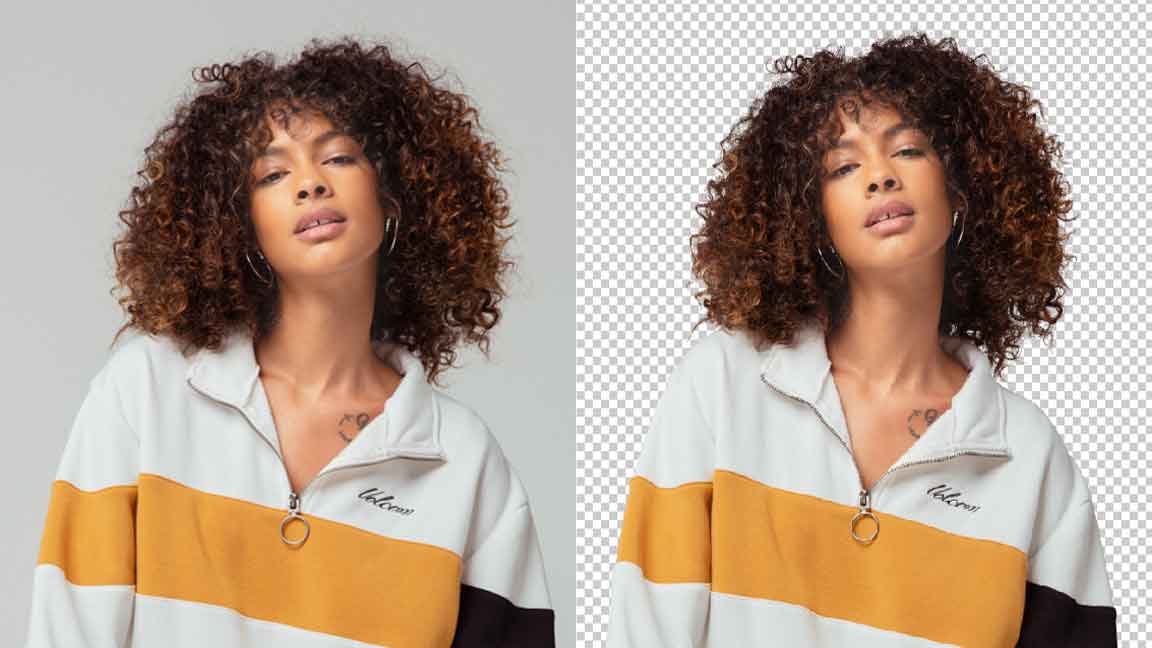
A fashion apparel brand needed a large batch of product photography prepared for its online catalog. The original images contained visible studio equipment, backdrop structures, floor panels, and other production elements that were not suitable for customer-facing use.
The project involved:
A fashion apparel brand needed a large batch of product photography prepared for its online catalog. The original images contained visible studio equipment, backdrop structures, floor panels, and other production elements that were not suitable for customer-facing use.
- Fashion apparel photography
- Full-body model images
- Complex garment edges
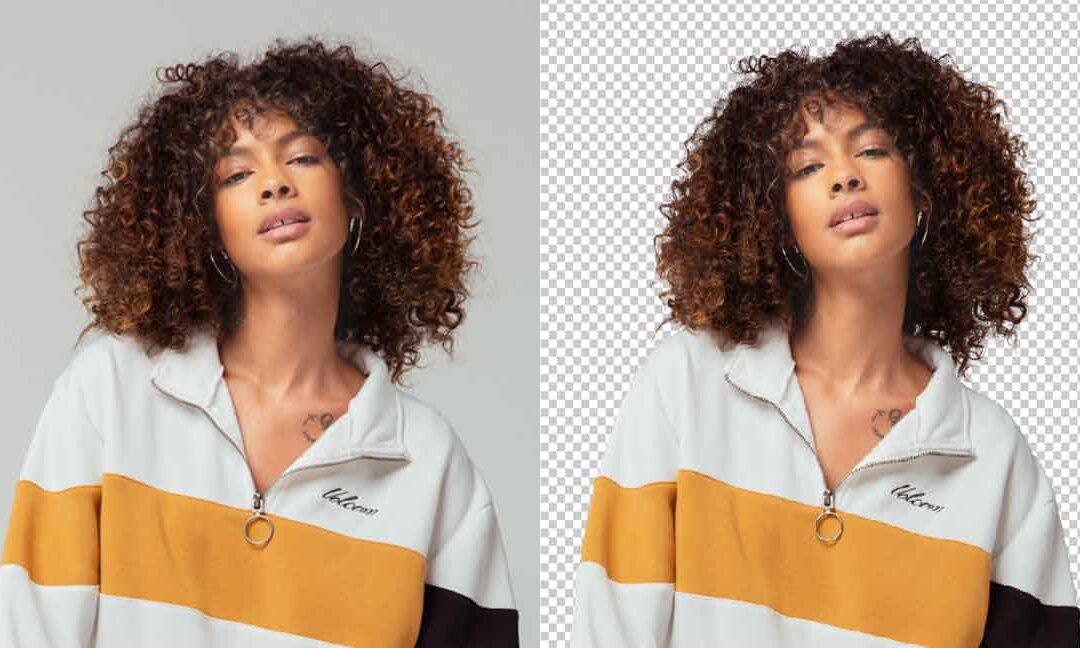
- Natural hair detail preservation
- Reflection retention for premium presentation
The Challenge
Although the photography itself met quality standards, the images were not ready for publication.
Common issues included:
- Visible studio setup around the frame
- Distracting production elements
- Inconsistent background appearance
- Need for clean catalog presentation
- Requirement to preserve natural garment contours
Why Image Masking Was Chosen
The editing team evaluated different approaches for preparing the apparel images.
Options considered included:
- Basic background removal
- Standard clipping paths
- Advanced image masking and clipping path workflow
Because fashion garments contain flowing fabric, layered edges, and fine details, a professional masking process was selected.
The Process
Step 1: Image Review
Because fashion garments contain flowing fabric, layered edges, and fine details, a professional masking process was selected.
- Edge complexity
- Garment shape
- Hair detail visibility
- Reflection requirements
- Background cleanup needs
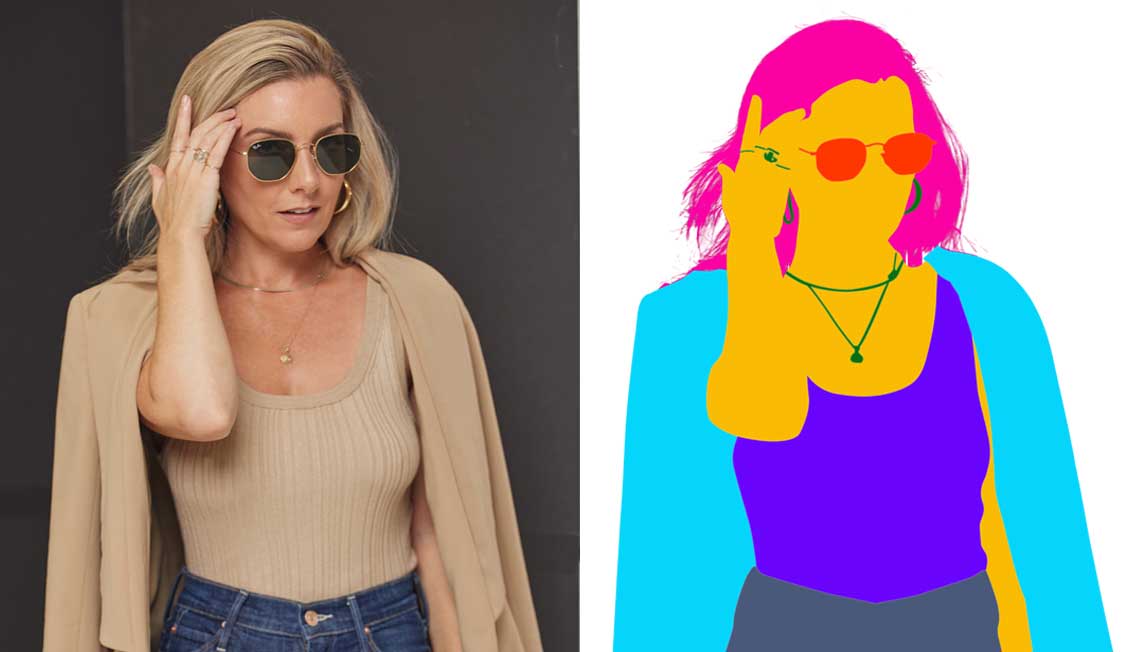
Step 2: Precise Subject Isolation
The editing team created accurate selections around:
- The model
- Garment edges
- Footwear
- Hair contours
Step 3: Studio Element Removal
Visible production elements were removed, including:
- Side structures
- Background supports
- Studio distractions
- Unwanted frame elements
Step 4: Reflection Preservation
Instead of creating a flat cutout, the natural floor reflection was retained to maintain a premium fashion catalog appearance.
Step 5: Final Quality Control
- Edge accuracy
- Fabric detail preservation
- Reflection quality
- Background consistency
- Catalog compliance
What Went Wrong
Challenge 1: Complex Garment Edges
The apparel contained flowing fabric and irregular contours that required careful edge handling.
Challenge 2: Reflection Retention
Removing the studio environment while preserving realistic reflections required additional precision.
Challenge 3: Consistency Across a Large Batch.
Maintaining identical editing standards across the full project required strict quality-control procedures.
What Worked
Accurate Clipping Path Execution
The subject was separated cleanly from the original environment while maintaining realistic contours.
Clean Catalog Presentation
The final images featured:
- Distraction-free backgrounds
- Consistent presentation
- Professional product display
- Retail-ready appearance
Reflection Preservation
The natural floor reflection added depth and premium visual quality without compromising isolation accuracy.
Final Outcome:-
By combining clipping paths, image masking techniques, and detailed quality control, the editing team successfully transformed a large apparel photography project into a professional e-commerce image library.